Introduction
Fresh fruits and vegetables are among the most important components of a healthy and balanced diet. Packed with essential vitamins, minerals, fiber, and antioxidants, they help support overall health, improve energy levels, and reduce the risk of various chronic diseases. In the United Kingdom, health experts consistently recommend consuming at least five portions of fruits and vegetables every day to maintain good health and wellbeing.
Despite the availability of fresh produce throughout the year, many people still struggle to include enough fruits and vegetables in their daily meals. Understanding the benefits of fresh produce can encourage healthier food choices and contribute to a more active lifestyle.
This article explores the numerous health benefits of eating fresh fruits and vegetables daily and provides practical tips for incorporating more fresh produce into your diet.
Rich Source of Essential Nutrients
Fresh fruits and vegetables provide a wide range of nutrients that are necessary for proper body function. These include:
- Vitamin C for immune support
- Vitamin A for healthy vision
- Potassium for heart health
- Folate for cell growth
- Fiber for digestive health
- Antioxidants that protect cells from damage
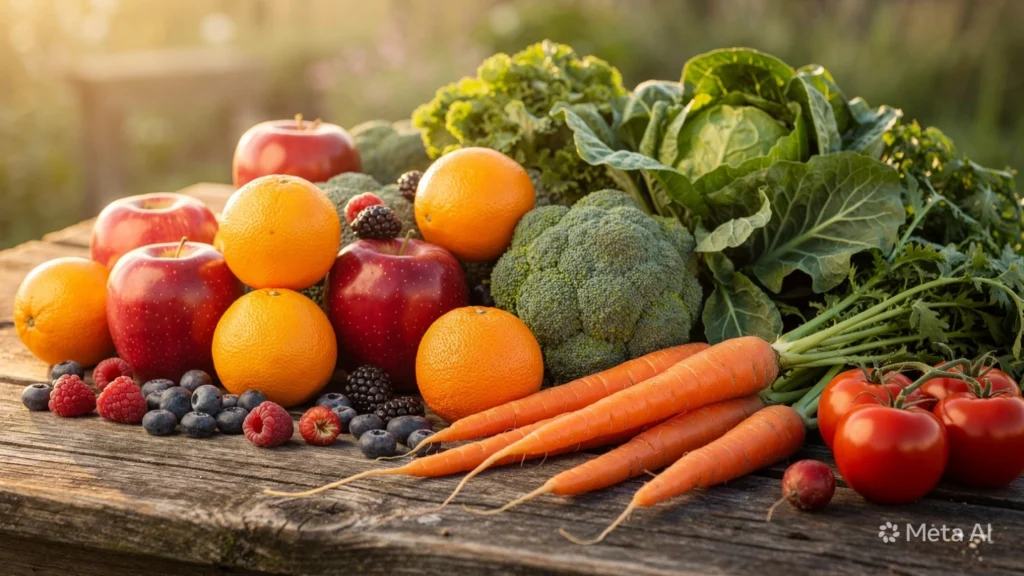
Different fruits and vegetables contain varying nutrient profiles. For example, oranges are rich in vitamin C, carrots contain beta-carotene, and spinach provides iron and folate.
Consuming a variety of colorful produce helps ensure that your body receives a broad spectrum of essential nutrients.
Supports a Strong Immune System
A healthy immune system is vital for protecting the body against infections and illnesses. Fresh fruits and vegetables contain vitamins, minerals, and antioxidants that help strengthen the immune response.
Citrus fruits such as oranges, lemons, and grapefruits are particularly beneficial due to their high vitamin C content. Vegetables like broccoli, spinach, and bell peppers also contribute valuable nutrients that support immune function.
Regular consumption of fresh produce helps the body defend itself naturally and recover more effectively from common illnesses.
Improves Digestive Health
Many fruits and vegetables are excellent sources of dietary fiber. Fiber plays a crucial role in maintaining a healthy digestive system by promoting regular bowel movements and supporting beneficial gut bacteria.
Examples of fiber-rich produce include:
- Apples
- Pears
- Berries
- Broccoli
- Carrots
- Sweet potatoes
A diet rich in fiber can help reduce digestive discomfort, prevent constipation, and support overall gut health.
Helps Maintain a Healthy Weight
Fresh fruits and vegetables are generally low in calories and high in water and fiber. This combination helps create a feeling of fullness, reducing the likelihood of overeating.
Replacing processed snacks with fresh produce can significantly reduce calorie intake while increasing nutrient consumption. For example, choosing an apple instead of a packet of crisps provides more fiber, vitamins, and hydration.
People aiming to maintain or lose weight often find that increasing fruit and vegetable intake supports their goals without sacrificing satisfaction or flavor.
Promotes Heart Health
Heart disease remains one of the leading health concerns worldwide. A diet rich in fresh fruits and vegetables has been associated with improved cardiovascular health.
Many fruits and vegetables contain potassium, which helps regulate blood pressure. Antioxidants found in berries, leafy greens, and tomatoes may also help reduce inflammation and protect blood vessels.
Regular consumption of fresh produce can contribute to:
- Lower blood pressure
- Improved cholesterol levels
- Reduced risk of heart disease
- Better circulation
These benefits make fruits and vegetables a key part of a heart-healthy lifestyle.
Supports Healthy Skin
Healthy skin often reflects good nutrition. Fresh fruits and vegetables contain vitamins and antioxidants that support skin health and help protect against environmental damage.
Vitamin C supports collagen production, which helps maintain skin elasticity. Beta-carotene found in carrots and sweet potatoes contributes to healthy skin appearance and protection from sun-related damage.
Hydrating fruits such as watermelon, cucumber, and oranges also help maintain skin moisture and overall appearance.
Reduces Risk of Chronic Diseases
Research consistently shows that diets rich in fruits and vegetables are associated with a lower risk of chronic diseases.
These may include:
- Type 2 diabetes
- Certain cancers
- Heart disease
- Stroke
- High blood pressure
The protective effects are largely attributed to the vitamins, minerals, fiber, and antioxidants naturally present in fresh produce.
Making fruits and vegetables a regular part of daily meals can have long-term positive effects on health and longevity.
Boosts Energy Naturally
Many people rely on caffeine and sugary snacks for energy, but fresh fruits and vegetables provide a healthier alternative.
Natural carbohydrates found in fruits offer a steady source of energy, while vitamins and minerals help support the body’s metabolic processes.
Bananas, apples, berries, and leafy greens are particularly popular choices for maintaining energy levels throughout the day.
Unlike processed foods, fresh produce provides sustained nourishment without causing significant energy crashes.
Encourages Healthy Eating Habits
Incorporating fresh fruits and vegetables into meals often leads to broader improvements in dietary habits.
When people focus on consuming more fresh produce, they tend to reduce their intake of highly processed foods, sugary snacks, and unhealthy fats.
Simple habits such as adding vegetables to lunch, enjoying fruit as a snack, or including a salad with dinner can make a meaningful difference over time.
These small changes often contribute to improved overall nutrition and long-term health outcomes.
Easy Ways to Eat More Fruits and Vegetables
Adding more fresh produce to your diet doesn’t have to be complicated. Consider these practical ideas:
Breakfast
- Add berries to porridge
- Include sliced bananas with cereal
- Blend fruit smoothies
Lunch
- Add salad to sandwiches
- Include vegetable soup
- Pack fruit for snacks
Dinner
- Serve extra vegetables with meals
- Create colorful stir-fries
- Prepare fresh side salads
Snacks
- Apple slices
- Grapes
- Carrot sticks
- Cucumber slices
These simple adjustments can significantly increase daily fruit and vegetable consumption.
Conclusion
Fresh fruits and vegetables are essential for maintaining good health and supporting overall wellbeing. Their rich nutritional value helps strengthen the immune system, improve digestion, support heart health, maintain healthy weight, and reduce the risk of chronic diseases.
By making fresh produce a regular part of your daily diet, you can enjoy better health, increased energy, and long-term wellness benefits. Whether purchased from local markets, trusted suppliers, or grocery stores, fresh fruits and vegetables remain one of the best investments you can make in your health.
Start with small changes, explore seasonal produce, and discover the many delicious ways to enjoy nature’s healthiest foods every day.